
Create a Moving Timeline
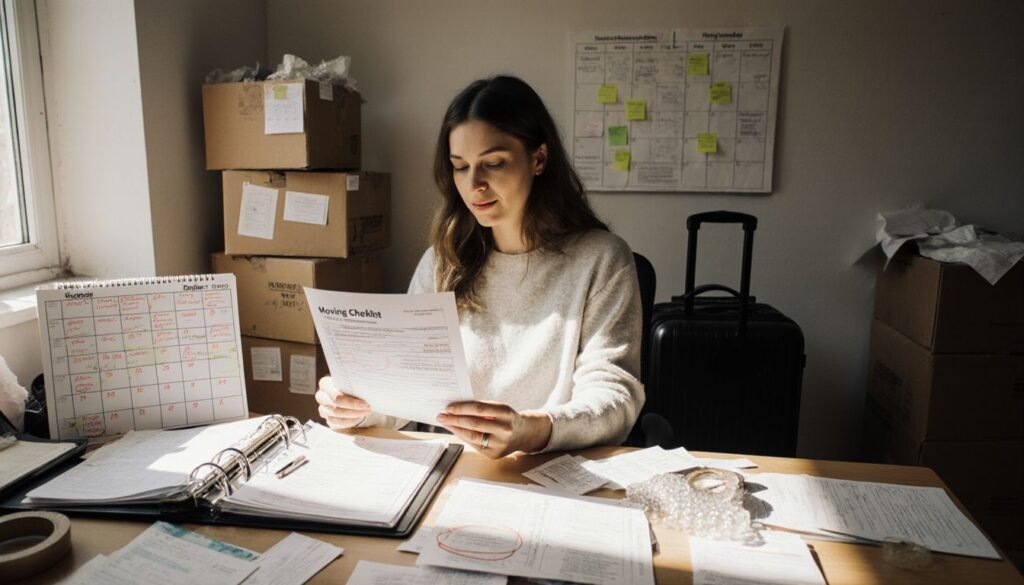
Moving in Dubai needs careful steps, especially with building rules and moving company schedules. I learned that starting eight weeks before the move made my relocation smooth.
- I started by making a moving binder to keep contracts, receipts, estimates, and my lease papers together for easy reference.
- I set a moving budget early so I could break down costs for packing, transportation, movers, and cleaning services, including extra money just in case something unexpected happened.
- Eight weeks before moving day, I circled my preferred move-out date on the calendar and created a week-by-week checklist for myself to stay on track.
- Six weeks ahead of time, I asked my boss at work for leave to get the best mid-week dates since movers often charge less then.
- At this stage, I also researched at least two or three reliable moving companies in Dubai and got quotes from each one; comparing service details helped me make the right choice.
- Four weeks out, all documents needed were sorted in my binder so nothing would be missed during permit applications or while confirming bookings.
- Two weeks before the big day, final confirmation calls were made to lock in dates and times with my selected moving company; this kept any last-minute surprises away.
- Three to seven days before the move, I applied for building access permits since most apartment buildings require them for both exiting old units and entering new ones.
- Since summer heat can be harsh between June and September here in Dubai, I planned my move early in the morning to avoid high temperatures.
- Starting preparations well ahead saved me stress and kept everything organized throughout my relocation journey.
Notify Your Landlord and Review Tenancy Contract
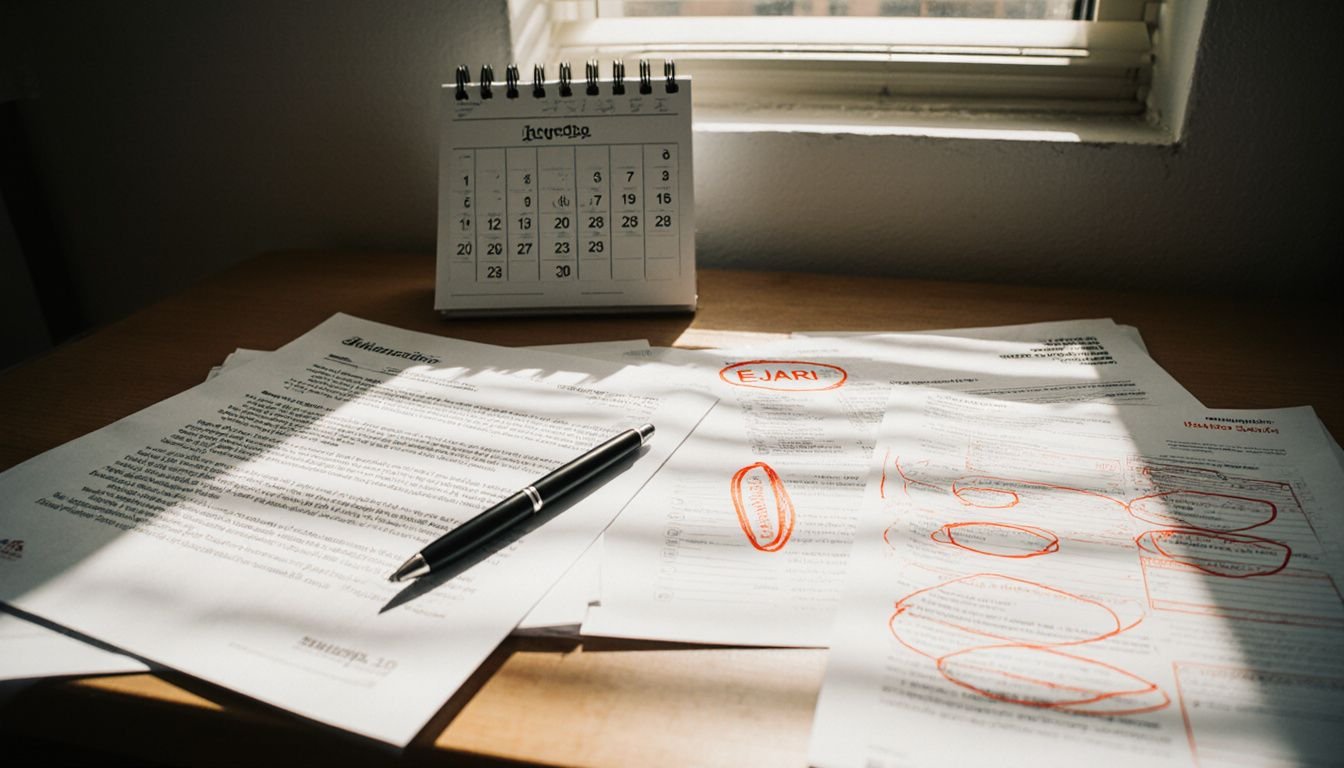
I give my landlord a written move-out notice 8 weeks before I plan to leave. That helps me avoid penalties and keeps things smooth. My lease agreement tells me whether I need to give notice by email or with a letter, so I double-check the exact rules and my move-in dates.
“Always read every page of your tenancy contract, even the fine print,” says Mr. Hamid, my building manager.
I contact my landlord at least 2 weeks in advance to request an NOC and make sure all service charges are paid up so there are no delays getting that document. Ejari registration is next on my list; this official record is key for activating utilities and getting permits in Dubai.
For Abu Dhabi, Tawtheeq works the same way as Ejari does here. Before moving anything out or into another place, I provide copies of the registered tenancy contract, Emirates ID card, and the landlord’s no-objection certificate to get both the move-out permit from my old building management and the move-in permit for the new apartment.
An inspection also happens about 8 weeks before leaving; this helps me find any damages early so I can fix them in time to get back as much of my security deposit as possible.
Declutter and Take Inventory
Sorting my things before moving made the process easier and lighter. I found out that starting 8 weeks ahead gave me enough time to organize everything without stress.
- I used the four-box method to sort all my belongings into keep, donate, sell, and recycle categories.
- Decluttering my clothing helped me cut down on unwanted items, so I donated extra garments to local charity bins in Dubai.
- Packing became faster because only necessary things stayed with me after sorting and decluttering.
- Taking inventory of every item with a simple spreadsheet kept me organized throughout the move.
- My inventory checklist included photos of valuable items for better documentation and peace of mind.
- Digitizing important documents like contracts and IDs using my phone reduced paper clutter and risk of losing anything vital during the move.
- Labeling boxes by room and color-coding each one sped up unpacking; matching colors made it easy for movers too.
- Using an inventory tool let me track all boxes from old apartment to new home or office building, helping avoid lost items.
- Sorting essentials into a separate bag meant fast access after arriving; daily-wear clothes, chargers, keys, and meds went in this bag right away.
Research and Book Reliable Movers
Once I finish sorting my things and making a list, I start looking for reliable movers. Eight weeks before move day, I like to check different moving companies in Dubai. Online reviews from other residents help me spot the best options.
I always pick two or three companies and ask each for a written estimate. This way, hidden fees do not surprise me later.
I book my chosen movers at least four to six weeks ahead if it is a local move—six to eight weeks if it’s long-distance. All trucks must be RTA registered so they follow Dubai’s transport laws; I always ask for their truck details early and share those with building security as requested by most apartment blocks here.
Before signing any moving services contract, checking the company’s trade license and insurance helps me avoid problems with building permits or lost items during transit. If my furniture is heavy or big, clear talks with the logistics team make sure they bring strong staff and proper gear on moving day.
On that final day, close supervision lets me guide them through fragile packing and hauling important boxes safely into their new space.
Arrange for Utilities and Address Changes
I learned the hard way that sorting out utilities late can cause stress, so I always handle this early. Changing my address and setting up utility services in Dubai takes some careful steps.
- Contact DEWA if moving within Dubai and use the Move-To service to transfer my electricity and water account; no need to pay a new deposit.
- Reach out to relevant providers like SEWA in Sharjah, ADDC in Abu Dhabi, or FEWA for the Northern Emirates, depending on where I am going.
- Apply for district cooling move-out clearance from Empower or Emicool at my old place and register for service at the new home before my move day.
- Take final meter readings myself at my current apartment; keep photos for proof, as this helps prevent extra charges on my bill.
- Transfer or set up internet and cable service by calling my current provider with my moving date and new address details; book appointments early because slots fill fast in Dubai.
- Send change of address requests through the UAE government portal so that all mail reaches me at the new address right after shifting.
- Update my Emirates ID with the latest Ejari contract online; authorities require correct data tied to tenancy records for many services here.
- Log into UAE PASS and ensure digital identity details match my updated contract registration since it’s used often for tenant proofs and online bills across Dubai buildings.
- Call banks, credit card companies, and subscription services to update billing addresses; check recent bills to make sure information is correct after changes are processed.
- Message friends, family, work contacts, and delivery apps with my new location so everyone has it before I complete the move.
These actions help me avoid unwanted charges or missing important mail during relocation within Dubai or anywhere in the UAE.
Gather Packing Supplies and Start Packing
I make a list of what I need, like boxes, bubble wrap, and tape. Packing early keeps things organized and saves me time later.
Label boxes by room and color-code
Labeling boxes by room and using colors makes moving easy. I used this method during my last move in Dubai, and it saved me hours of confusion.
- Each box gets a large label with the name of the destination room, like Kitchen or Bathroom, written in bold letters.
- I picked different colored tape for each room: blue for bedrooms, red for the kitchen, yellow for living rooms, and green for bathrooms. This color coding helped the movers place boxes in the right spots fast.
- Important and fragile items always get extra attention. I used bright stickers on those boxes to show they need care.
- Every label also listed what is inside, like “Plates” or “Towels,” to make unpacking simple.
- My children’s items were grouped together and marked with a cheerful color so they could find their things quickly.
- Essential boxes had clear labels divided by function—one marked “Kitchen Essentials” and another as “Bathroom Basics.”
- When movers carried the boxes into my new apartment, they asked about the colors. The system let them put every box straight into its designated room without much direction from me.
- During unpacking, grouping similar items made it quick to set up each area. For example, all electronics ended up in one spot ready to go.
- Marking every side of a box with both color codes and words meant no guesswork, no matter which way a box was stacked.
- Using these organization strategies improved how smoothly my move went from start to finish.
Pack fragile and important items separately
I pack fragile things like glassware and dishes at least 2 weeks before moving. I use lots of bubble wrap, packing paper or ask for professional packing services if needed. My valuables, such as jewelry and electronics, go in cushioned bags or boxes with clear labels.
Breakable items need extra care; I add more cushioning so they stay safe during transport.
My important documents—IDs, passports, and medical records—go into a special folder that stays with me at all times; digitizing these papers is smart for quick backup access if anything gets lost.
Before moving day arrives, I make checklists and take photos of my valuables to track them easily during transit. Essentials that I will need right away get their own labeled box too.
These steps keep everything secure until it’s time to book service lifts and handle building deposits.
Book Service Lifts and Pay Building Deposits
I book the service lift with my building management, often at least four weeks before moving day, especially for a high-rise. My booking is different from the move-in permit, and I pay a refundable deposit to cover any possible damage during move-in.
If the building has strict move-in hours or restricts access during Friday prayers, I confirm those times early.
Move-in permit applications must be submitted about three to seven days in advance. For that, my documents include a tenancy contract, a copy of my Emirates ID, a landlord’s NOC letter, and paperwork from my moving company, like a trade license and insurance.
Security will check for an approved permit on moving day; sometimes they want a QR code or digital pass ready for the driver’s phone. For key handover and parking access logistics, I talk with my landlord or property management so there are no surprises.
Payment for deposits, rent balances due, or other access fees needs to be set up before arrival too.
Schedule Cleaning and Property Restoration Services
After I book service lifts and pay building deposits, I set aside time to schedule cleaning and property restoration services. Cleaning my old apartment before handing over the keys is very important, especially to get back my security deposit.
I choose between do-it-yourself cleaning or hiring a professional service based on how much time and effort I want to spend. Usually, I use move-out checklists for every room. Before the final inspection, I make sure my refrigerator is empty and then cleaned with warm water and mild detergent.
For minor repairs like nail holes or chipped paint, quick fixes help restore the place. If providers like Empower or Emicool supply district cooling in my building, I request a clearance certificate so they release my deposit without delay.
Before leaving, I take photos of the clean rooms to document their condition.
Prepare an Essentials Box for Moving Day
Packing an essentials box changed my whole moving experience. I kept it close, and it saved so much stress on move-in night.
- I packed the essentials box one week before moving, so I didn’t leave anything out in a last-minute rush.
- Toiletries, a change of clothes, and bedding went right inside for that first night’s comfort.
- Basic cookware, some kitchenware, and meal planning items helped me eat without searching through boxes.
- Phone chargers, medications, and all important documents stayed together for quick access at any time.
- Pet supplies had their own labeled spot since missing even a favorite toy can upset my pet during the move.
- Flashlights, extra batteries, extension cords, and some simple tools made sure I could handle set-up tasks in the new place.
- The first aid kit stayed on top with smoke detectors and a fire extinguisher for safety from day one.
- I sorted items by room or by how often I would use them; color-coding the sections made unpacking easier later on.
- Each section got a clear label with big writing to help me find what I needed fast when tired after moving all day.
- Keeping this box with me during transportation meant instant convenience as soon as the apartment keys were in my hand.
Supervise the Move and Conduct a Final Walkthrough
Moving day can feel busy, but staying organized makes it much easier. I keep track of the whole process to make sure nothing gets missed.
- I walk through my current apartment, checking every room, storage area, and cabinet so I do not leave anything behind.
- I guide the movers during this final walkthrough, giving them clear directions for where each box or item should go in my new space.
- Using my phone or camera, I take photos of walls, floors, ceilings, appliances, and fixtures in both old and new apartments as documentation for the relocation.
- Each room and common area gets a careful inspection; I look at lights, taps, gas connections, doors, windows, and locks to see that everything works right for a smooth transition.
- Any issue or damage found goes on my checklist so I can quickly report it to the landlord or moving company team for good management.
- All paperwork from the movers gets reviewed by me before signing; this includes listed items in their inventory and notes about damages or special transport instructions.
- My own copy of every moving document stays with me after signing so documentation is handy later if needed for coordination or logistics questions.
- Before movers finish their job, I confirm payment details like cost breakdown and agreed payment method with them to avoid any confusion on the due date.
- After all boxes are out and checked off my list, I lock up and hand over keys to complete this stage of my move.
- At the new apartment, quick checks happen again; utilities like power and water get tested as part of settling into this next place after a successful inspection.
Inspect Your New Apartment and Set Up Utilities
After I check that the movers finished and every box is in, I move to the next key step. Now, it’s time to make my new apartment safe, ready, and comfortable.
- I unpack the most important items right away, like toiletries, bedding, chargers, and kitchenware.
- I contact local providers for utilities such as DEWA in Dubai, SEWA in Sharjah, ADDC in Abu Dhabi, or FEWA in the Northern Emirates to make sure water and electricity accounts are active.
- I read and note down all meter readings as soon as possible to avoid paying for someone else’s use.
- I connect with a trusted internet provider to schedule Wi-Fi installation; then place my router near the center of my home for strong coverage.
- If my building uses district cooling systems like Empower or Emicool, I register right away so cooling starts without delays.
- As soon as I have keys in hand, I inspect each room for damage: walls, floors, doors, windows, light switches, and appliances get checked one by one.
- Any scratches or broken parts get photographed or filmed with my phone before I start unpacking more boxes; then these are sent directly to my landlord or property manager so there will be no confusion.
- Each item from a box goes straight into its new spot; this keeps things orderly and makes settling in quick.
- All important documents about utilities and inspection notes go into a folder that stays on hand throughout this process.
Conclusion
Moving in Dubai can feel easy with the right checklist. I follow these steps to stay calm and save time. Planning early helps me avoid last-minute trouble and keeps my move on track.
With good movers and careful packing, my new apartment feels like home from the start. A clear plan makes all the difference for a smooth fresh beginning.
FAQs
1. What should I include in my apartment moving checklist for Dubai?
Start with your lease documents, utility bills, and Emirates ID. Add packing supplies, cleaning tools, and a list of items to move. Remember to schedule movers early.
2. How do I transfer utilities when moving apartments in Dubai?
Contact each service provider before the move date. Arrange to disconnect at your old place and reconnect at your new one on time; this helps avoid delays.
3. When is the best time to book a mover in Dubai?
Book a reliable mover two weeks ahead if you can. This gives you enough time for planning, packing, and any last-minute changes.
4. Do I need building approval before moving into or out of an apartment in Dubai?
Yes, most buildings ask for a move-in or move-out permit from management before the big day; get this sorted so there are no problems later on.
Leave a Reply